Certificate of Conformity: What It Is & How to Generate One
Learn what a certificate of conformity is, how it differs from a certificate of compliance, and how to generate and display a digital one that proves your product meets US standards.
A certificate of conformity (CoC) is a formal document declaring that a specific product, batch, or shipment meets a defined standard, regulation, or specification. Supplier-issued or third-party-issued — and without one, your goods may not clear US customs, pass procurement review, or satisfy a buyer's quality requirements. Full stop.
- A CoC declares a product meets a specific standard — product-level, typically supplier-issued.
- It differs from a certificate of compliance, which is broader, process-level, and often third-party-issued.
- Seven fields are required — missing one can void your CoC at customs or kill a B2B deal.
- Digital CoCs with verifiable URLs are now accepted by CBP and most US importers.
What a Certificate of Conformity Actually Does
A CoC isn't a government-issued certification. It's a written declaration — from the manufacturer or an accredited lab — stating that a product meets a named standard. ASTM F963 for toy safety. FCC Part 15 for electronics. An FDA food-contact specification. The document links a specific product or batch to a specific rule. That precision is the point.
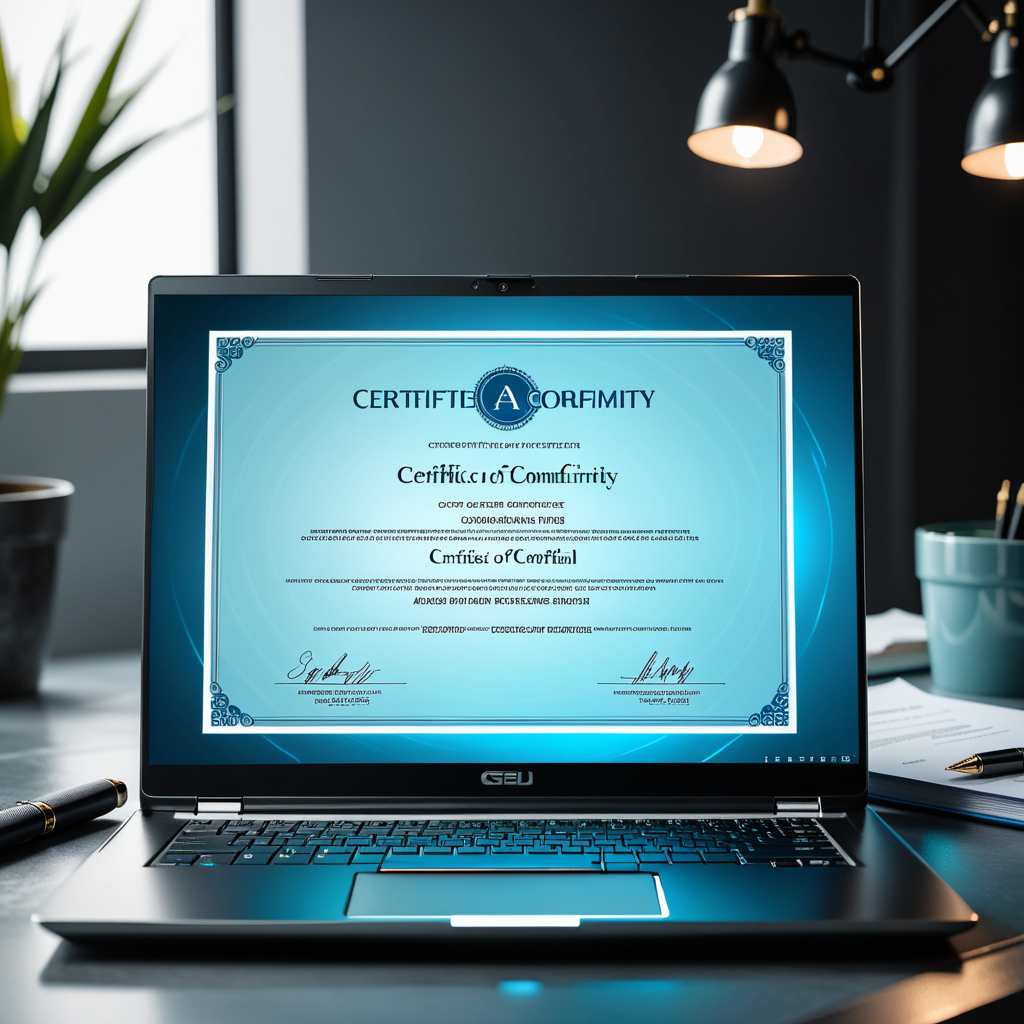
Consider a Chicago-based electronics importer whose first shipment of wireless chargers was held at the port. No documentation referencing FCC Part 15. A CoC naming the standard, citing test results, and bearing the authorized signatory would have cleared it the same day. Instead: weeks of delay, storage fees, and an angry client.
Common use cases span manufactured goods crossing the US border, safety-regulated products like children's toys and helmets, food-grade materials requiring FDA compliance documentation, and B2B procurement where buyers demand documented quality assurance before cutting a check.
Certificate of Conformity vs. Certificate of Compliance: The Difference That Matters
These two documents get conflated constantly. They are not the same thing, and submitting the wrong one to the wrong audience will cost you time — and sometimes a deal.
| Feature | Certificate of Conformity | Certificate of Compliance |
|---|---|---|
| Scope | Product or batch-level | Company or process-level |
| Issued by | Manufacturer / supplier / accredited lab | Third-party auditor or company |
| Tied to | Specific standard (ISO, ASTM, FCC) | Ongoing regulatory requirements |
| Primary audience | Customs brokers, buyers, inspectors | Regulators, enterprise procurement |
| Validity | Per shipment or lot | Period-based (annual, ongoing) |
They can overlap — a supplier might issue both for the same product. But a certificate of compliance won't satisfy a customs request for product-level conformity documentation. Neither works in reverse. Know which one your audience needs before generating anything.
If you're a small business managing both document types, the certificate of compliance small business guide covers the compliance side in practical detail.
How to Generate a Digital Certificate of Conformity in 4 Steps

Digital CoCs are now the standard. Shareable, tamper-evident, verifiable by URL. Here's how to produce one that holds up — at customs, in procurement, and under audit.
-
1
Choose a certificate of conformity template on CertifyUSA. Select a template built for product conformity — not a generic certificate. Structure determines customs acceptance. -
2
Fill in every required field. Product name, the exact standard referenced (e.g., ASTM F963, FCC Part 15, FDA 21 CFR), batch or lot number, your conformity declaration statement, and the authorized signatory's full name and title. -
3
Generate a shareable digital certificate with a unique verification URL. That URL lets customs brokers, buyers, or inspectors confirm authenticity instantly. No PDFs to lose, misplace, or falsify. -
4
Embed or link the certificate where it needs to appear. Product pages, procurement packets, customs paperwork, vendor portals. A URL is easier to update than a PDF — and far harder to tamper with.
US Customs and Border Protection may request a certificate of conformity for regulated imports — a digital, URL-verifiable version is increasingly accepted in place of paper documentation. CBP's ACE (Automated Commercial Environment) system supports electronic submission of supporting compliance documents.
If you're managing a supplier network, the certificate of vendor compliance guide is worth reading alongside this — it covers the broader documentation picture for multi-vendor operations.
The 7 Fields Every Valid Certificate of Conformity Must Include
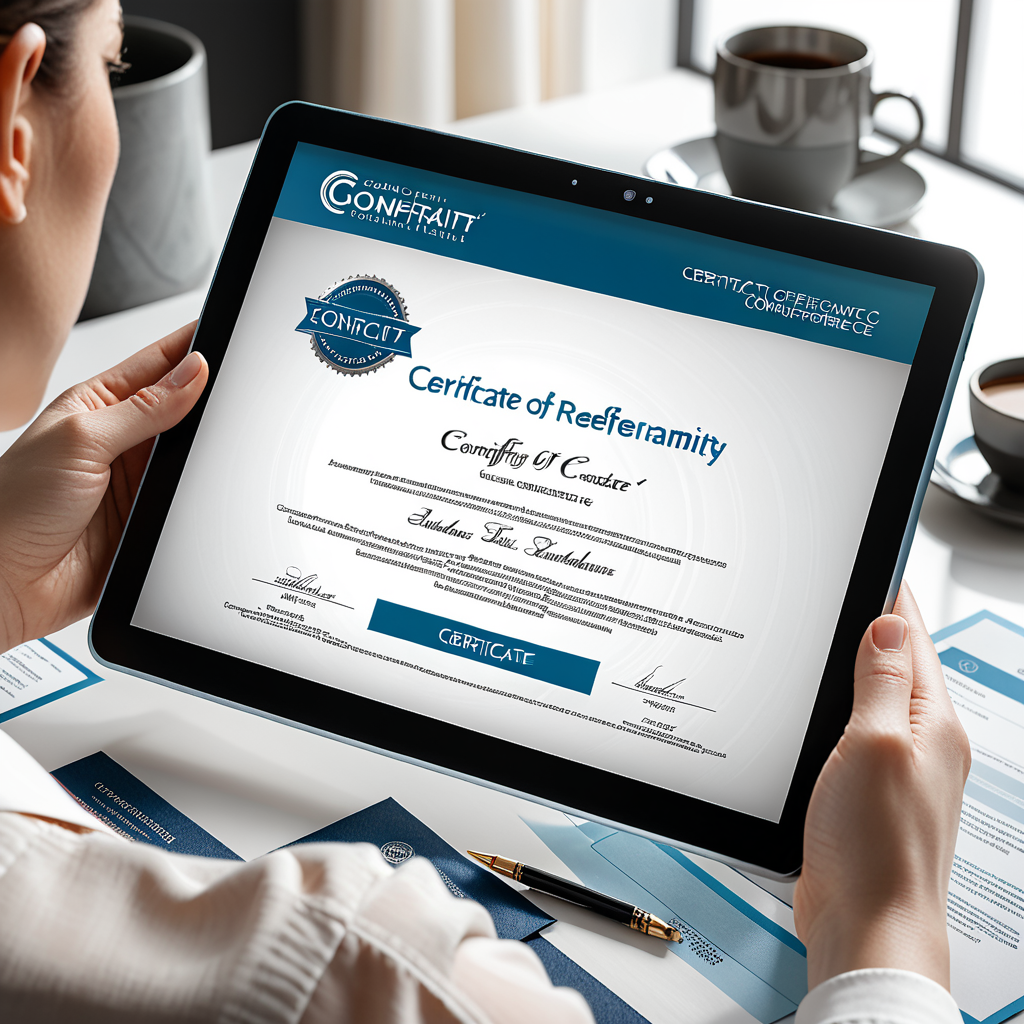
This is where most CoCs fail. Not because the product doesn't meet the standard — because the document is missing a field a customs officer is specifically checking for. Seven fields. All required. None optional.
- Product name and description — specific enough to match the physical shipment
- Applicable standard or regulation — exact name and number (e.g., ISO 9001:2015, ASTM F963-23)
- Lot, batch, or serial number — ties the document to a specific production run
- Date of conformity declaration — must match or precede the shipment date
- Name and signature of authorized representative — wet or digital signature accepted
- Manufacturer name and address — full legal name, not a trade name
- Statement of conformity — exact wording matters; vague language gets rejected outright
"The statement of conformity isn't boilerplate — it's a legal declaration. Exact wording determines whether a customs officer treats it as sufficient evidence or a red flag."
One missing field can invalidate your CoC entirely. Use a structured template — from CertifyUSA or the free certificate maker online — to avoid the rejections that delay shipments and kill deals.
A certificate of conformity is a product-level document, not a company credential. Get all seven required fields right. Reference the exact standard. Generate a digital version with a verifiable URL. That combination clears customs, satisfies B2B buyers, and holds up under audit.
Frequently Asked Questions
Is a certificate of conformity the same as a certificate of compliance?
No. A certificate of conformity declares a specific product or batch meets a defined standard (e.g., ISO, ASTM). A certificate of compliance is broader — it affirms a company or process meets regulatory requirements, typically issued by a third-party auditor. Both serve different audiences. Submitting one when the other is required delays shipments and fails procurement audits.
Who can issue a certificate of conformity in the US?
For most products, the manufacturer or supplier self-declares conformity. For regulated categories — children's products under CPSC, for example — a third-party accredited lab must issue it. Always confirm the specific standard your product falls under before deciding who signs the CoC.
Can I use a digital certificate of conformity for US customs?
Yes. CBP and most US importers now accept digital certificates with a verifiable URL. A digital CoC generated through CertifyUSA includes a unique verification link — shareable instantly with customs brokers, buyers, or inspectors. No emailing PDFs back and forth.
How often does a certificate of conformity need to be renewed?
A CoC is issued per product, batch, or shipment — tied to a specific lot or production run, not a calendar year. If your formulation, materials, or manufacturing process changes, issue a new CoC. Annual renewals apply to compliance certifications. Not conformity documents.
Get your certificate of conformity right the first time. Use a structured template that covers every required field and generates a shareable verification URL.
Ready to generate your certificate of conformity?
CertifyUSA templates cover all seven required fields, generate a unique verification URL, and are formatted for US customs and B2B procurement acceptance.
Generate Your Certificate of Conformity Free →Bottom Line
A certificate of conformity is not optional paperwork — it is your product's passport through customs, procurement, and liability exposure.
- Cover all seven required fields or face rejection at the port
- Match the standard exactly — ASTM, ISO, CPSC, or otherwise
- Issue a new CoC whenever formulation, materials, or process changes
- Digital CoCs with a verification URL are accepted by CBP and most US buyers
- Self-declaration is valid for most products; third-party labs required for children's goods
CertifyUSA Team
Our content is reviewed by business certification and compliance professionals. We cover trust badge implementation, content authenticity verification, and business certification best practices to help businesses build credibility online.
Related Articles
Certificate of Appreciation — Create & Send Online
Learn how to create a professional certificate of appreciation for employees, volunteers, teachers, and community members using a free online certificate maker.
Certificate of Achievement — Create & Send Professional Digital Certificates
Learn how to create, customize, and send a professional certificate of achievement for students, employees, and athletes using a free online certificate maker.
Apostille for FBI Background Check 2026: Step-by-Step Guide
Need an apostille on your FBI background check for use abroad? Follow this 2026 step-by-step guide covering channels, timelines, and costs.
Ready to certify your business?
Join thousands of verified businesses on CertifyUSA.