How to Apostille a Document for Use Abroad (2026 Guide)
Need to use a US document overseas? Learn the exact steps to apostille a document for international use in 2026 — fast, simple, and state-by-state.
You need to apostille a document and a foreign government, embassy, or university is waiting on it. The process isn't complicated — but one wrong move sends you to the back of the queue. Five steps. Here's exactly what to do.
- An apostille makes a US document legally valid in 120+ countries — it's not a notarization.
- Five steps: confirm country, identify authority, notarize if needed, submit the original, verify on receipt.
- Most rejections: wrong state office, photocopies, missing notarization.
- Standard turnaround: 5–15 business days. Expedited: 1–3 days in most states.
What Is an Apostille — and Do You Actually Need One?
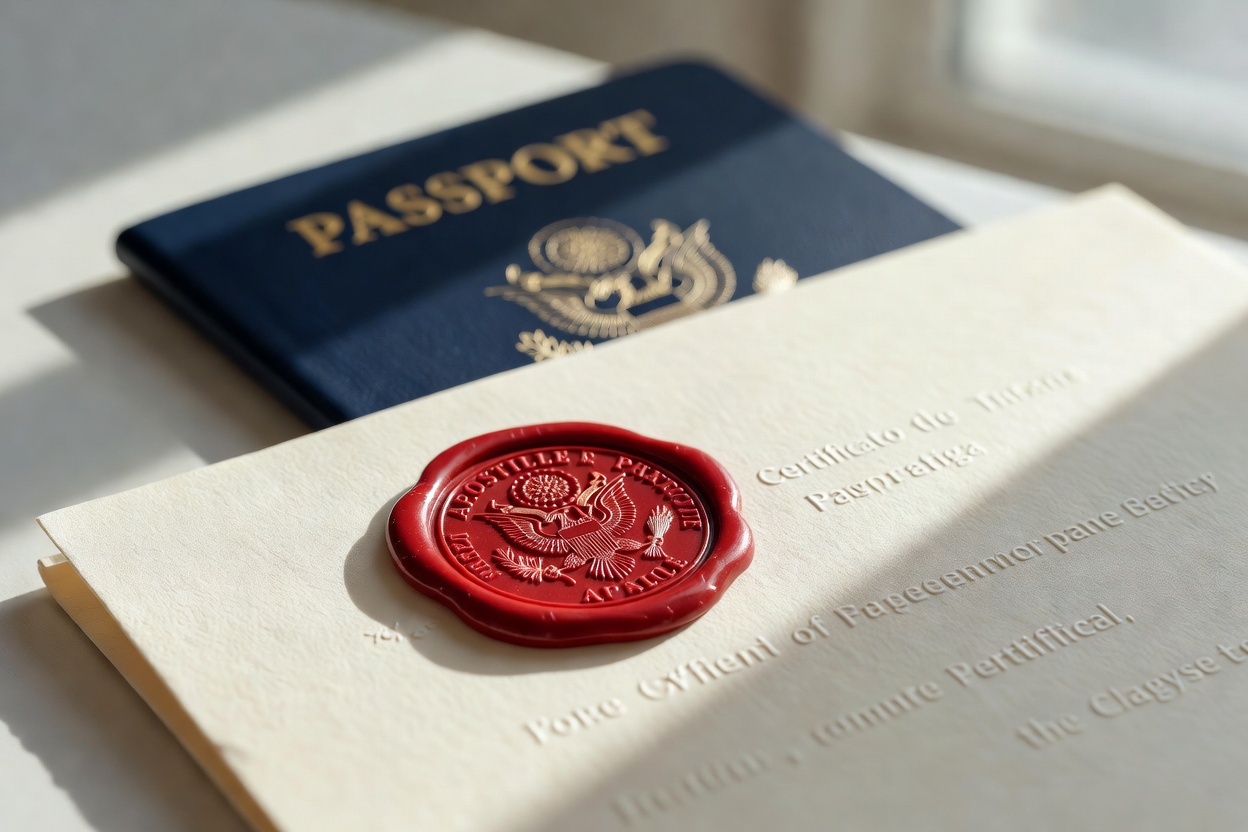
An apostille is a standardized certification — a single attached page — that makes a US document legally recognized by foreign governments across 120+ Hague Convention member countries. It is not the same as notarization. A notary confirms your identity and signature. An apostille confirms that the notary or issuing authority is legitimate, for an international audience. Two different tools, two different jobs.
You need one when a foreign government, embassy, employer, or university explicitly asks for it. The most common documents: birth certificates, marriage certificates, diplomas, FBI background checks, and corporate formation documents. If your destination country isn't a Hague Convention member — Canada, China, and the UAE all sit outside the convention — apostilles don't apply. You'll need full embassy legalization instead, which is a separate, slower process. Details in our apostille vs. notarization breakdown.
Step-by-Step: How to Apostille a Document in 2026
Common Mistakes That Delay Your Apostille
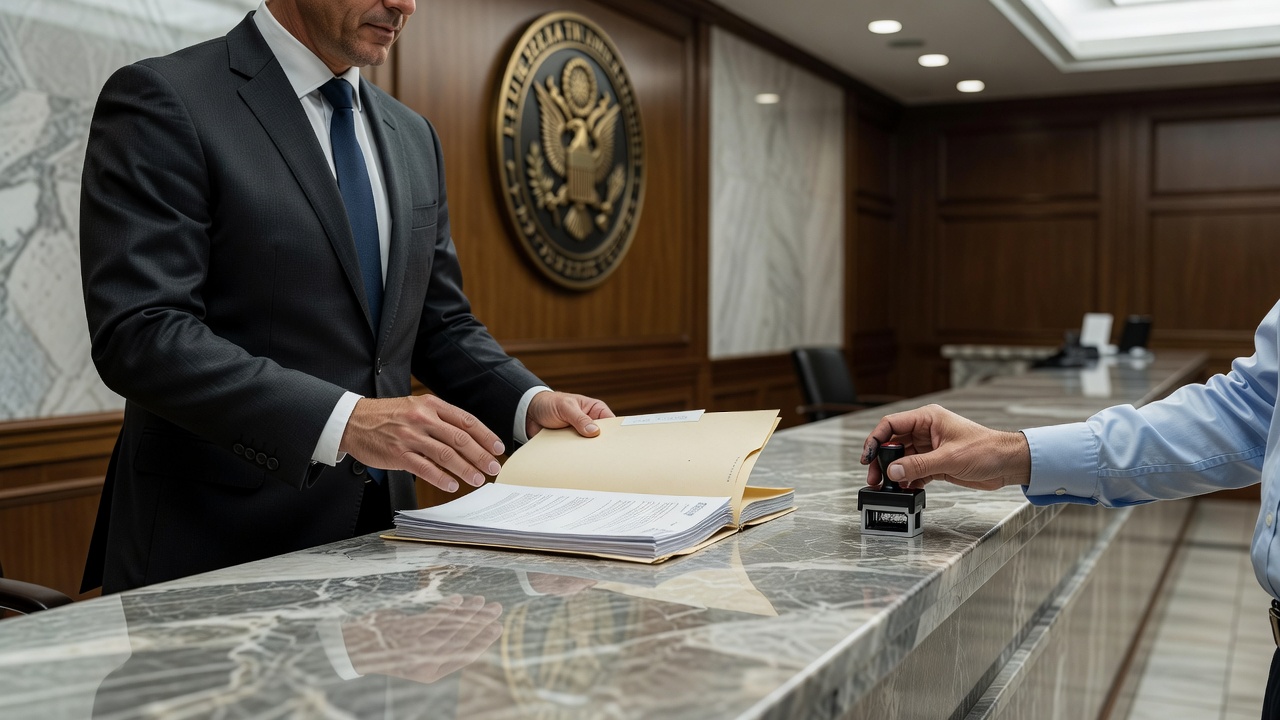
Most rejections trace back to the same four errors. Avoid these and your submission clears on the first attempt.
| ✗ Common Mistake | ✓ Do This Instead |
|---|---|
| Submitting to the wrong state — e.g., sending a California birth certificate to the Texas Secretary of State | Always submit to the Secretary of State of the state that issued the document — not your current state of residence |
| Sending a photocopy instead of an original or certified copy | Use the original or a certified copy issued directly by the government agency — photocopies are rejected without exception |
| Skipping notarization on private documents — powers of attorney, affidavits, corporate resolutions | Notarize all private documents first; government-issued certs (birth, marriage, court orders) bypass this step |
| Assuming every country accepts apostilles | Verify Hague Convention membership before you start — non-members require embassy legalization, a longer and separate process |
A tech consultant needed a US corporate resolution apostilled for a contract in Spain. He submitted to the correct California SOS — right call. But he sent a notarized photocopy instead of the original certified document. Two weeks lost. He resubmitted the original, and it cleared in five days. Same office, same fee, entirely avoidable delay.
Verify your destination country's specific requirements before submitting — even within the EU, rules differ. France and Germany both accept apostilles, but each has its own rules on document age and translation requirements. One phone call to the receiving institution saves weeks.
The apostille system was established by the Hague Convention of October 5, 1961 — over 60 years of standardized international document authentication. The US joined in 1981. The process you're following today has worked reliably across four decades of cross-border bureaucracy.

Need to Certify More Than Just Documents?
Businesses sending documents abroad often face a second credibility question: international partners want to verify the company itself, not just the paperwork. A trust badge for your website or a formal business verification gives overseas clients independent confirmation your operation is real and accountable — especially useful when you're already going through the effort of apostilling corporate documents.
Show international partners your business is verified and trustworthy
Get Your Business Certification Badge →Five steps. Confirm the country. Identify the right authority. Notarize if needed. Submit the original. Verify on receipt. Most delays are avoidable — wrong office, wrong format, missing notarization. Do it right the first time and you're looking at 5–15 business days. Expedited options exist in most states if the clock is tight.
Frequently Asked Questions
How long does it take to apostille a document in the US?
Standard processing runs 5–15 business days depending on the state. Expedited options — typically an extra $25–$50 — cut that to 1–3 business days in most states. California runs slow; Texas and Florida are faster. Check your state SOS website for current windows before submitting. Processing times shift seasonally and aren't always posted prominently.
Which countries accept a US apostille?
All 120+ member countries of the 1961 Hague Convention accept US apostilles. Canada, China, and the UAE are notable non-members — if your document is headed there, you need embassy legalization instead. Always verify membership before starting the process. Assuming incorrectly costs you time and fees you won't recover.
Do I need to notarize a document before getting an apostille?
Only if it's a private document — a power of attorney, affidavit, or corporate resolution. Government-issued documents like birth certificates, marriage licenses, and court orders go directly to the Secretary of State without prior notarization. Unsure which category yours falls into? Notarize it. A redundant notarization doesn't disqualify a submission. A missing one does.
Can I apostille a document for use in multiple countries?
You need a separate apostille for each country. The apostille itself has no expiration date, but destination countries often impose their own limits on how recently the underlying document must have been issued. If you're submitting to more than one country, request multiple certified copies from the issuing agency upfront. Don't split a single apostilled original.
Getting your apostille right the first time is straightforward — the only real variables are which office to use and which format to submit. Follow the five steps above and you skip the most common delays entirely.
Bottom Line
An apostille is a single-step federal authentication — not a translation, not a full legalization. For Hague Convention countries, it's all you need. The process breaks down to four actions: confirm the destination country is a member, identify the correct issuing authority, get the document notarized if it's privately issued, and submit to your state's Secretary of State office.
- Standard processing: 5–15 business days; expedited: 1–3 days
- One apostille per country — never split an original
- Non-Hague countries (Canada, China, UAE) require embassy legalization instead
- Verify destination country membership before submitting anything
Need a Pay Stub for Your Apostille Packet?
Many visa applications, employment verifications, and residency filings require recent proof of income alongside apostilled documents. Generate a professional, accurate pay stub in minutes — no spreadsheets, no formatting headaches.
Generate Your Pay Stub Free →
Instant PDF download · No account required · Accepted by employers and agencies
CertifyUSA Team
Our content is reviewed by business certification and compliance professionals. We cover trust badge implementation, content authenticity verification, and business certification best practices to help businesses build credibility online.
Related Articles
How to Apostille a Document for International Use (2026 Checklist)
Step-by-step guide to apostilling a document for international use in 2026. Learn which authority to contact, what documents qualify, and how long it takes.
Apostille vs Notarization 2026: Which Do You Need?
Apostille vs notarization in 2026 explained in plain English. Find out which one your international document actually requires — and how to get it fast.
Family-Owned Business Certification Badge | Get & Display It Right
Learn how to get a family-owned business certification badge, where to display it on your website, and why verified badges convert more local buyers than plain logos.
Ready to certify your business?
Join thousands of verified businesses on CertifyUSA.