Trust Badges for Cyber Monday: What Online Shoppers Require in 2026
Learn why trust badges for Cyber Monday are non-negotiable for conversions. See which verification seals shoppers look for before buying—and how to display them.
The trust badges that move Cyber Monday conversions are SSL/HTTPS, a third-party business verification seal, a human content certification badge, and secure payment logos — in that order of trust impact. Last Cyber Monday, a mid-sized outdoor gear store proved that gap the hard way: solid 30%-off sale, sharp product pages, competitive prices, and a 71% checkout abandonment rate. Zero visible proof the business was real. That's the problem these badges solve.
The stakes are higher in 2026. AI-generated storefronts flooded search results through 2024 and 2025 — polished photography, synthetic reviews, convincing copy — and shoppers got burned. Now entering a card number on an unfamiliar site triggers a gut-check that didn't exist three years ago. Cyber Monday compresses all of that anxiety into a single day.
- Cyber Monday fraud anxiety is real — shoppers actively scan for verification before entering payment info.
- Four badges move conversions: SSL, business verification seal, human content badge, and payment logos.
- Badge placement matters as much as badge type — friction point equals verification moment.
- Get verified before the shopping window opens — not after you've already lost the sales.
Why Cyber Monday Shoppers Are More Skeptical Than Ever
E-commerce fraud spikes 30–40% during the holiday shopping window. Shoppers know this — they've been warned by their banks and trained by years of "too good to be true" headlines. That skepticism is now a reflex. AI-generated storefronts accelerated it: same grid layouts, same product photography, same confident copy. Many weren't real. The result is a buyer who treats every unfamiliar storefront as guilty until proven credible.
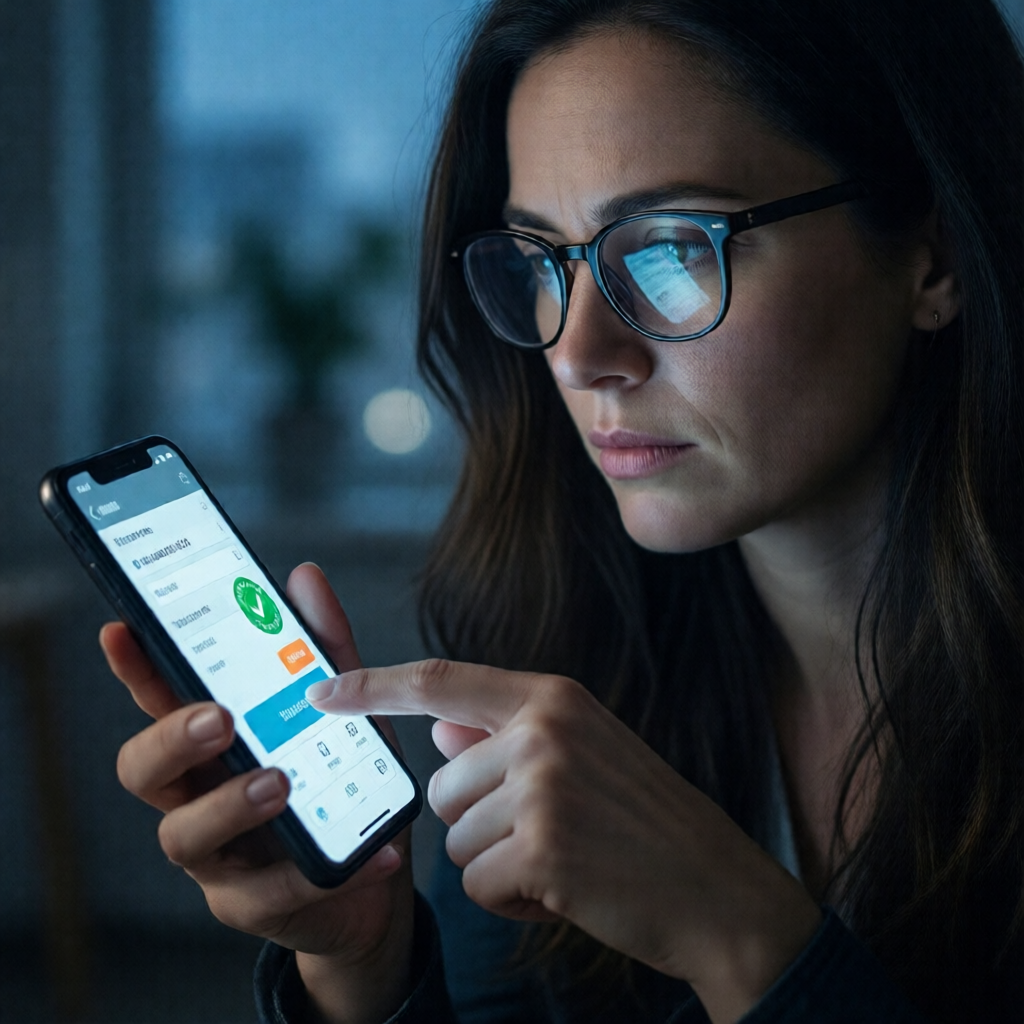
Cyber Monday is the worst possible day to leave that question unanswered. High urgency plus unfamiliar store plus countdown timer equals maximum cart abandonment risk. Visible, third-party verification is the only thing that moves a hesitant buyer past it.
The 4 Trust Badges Cyber Monday Shoppers Actually Look For
| Badge Type | ✅ Badge Present | ❌ Badge Absent |
|---|---|---|
| SSL/HTTPS | Table stakes — expected, not differentiating | Instant red flag; most browsers warn users |
| Business Verification Seal | Confirms real, registered business — highest trust lift | No way to distinguish you from a scam store |
| Human Content Badge | Signals authentic product descriptions; counters AI-store distrust | Copy reads AI-generic; shopper questions authenticity |
| Secure Checkout / Payment Logos | Familiar logos (Visa, MC, PayPal) reduce payment hesitation | Payment form looks unfamiliar and risky |
The business verification seal is what most stores underinvest in. SSL is baseline — its absence kills conversions, but its presence alone doesn't build confidence. A business verification seal from a third-party credentialing authority is a different signal entirely: an independent organization confirmed this business is registered and real.
The human content certification badge is newer but growing fast. Marcus, a small electronics reseller in Austin (a composite of store owners we work with regularly), noticed his bounce rate drop after adding one to product pages. Shoppers landing from search were skeptical of his detailed write-ups because AI-generated descriptions on competitor sites looked identical. The badge delivered a simple message: a real person wrote this. The AI-free content badge page explains the full certification process.
Mobile devices account for the majority of Cyber Monday traffic. Shoppers spend roughly 3–5 seconds scanning above-the-fold content for trust signals before scrolling. No verification visible? Most don't scroll.
How to Add Verified Trust Badges Before Cyber Monday
-
1Audit your checkout page for existing trust signals. Walk your own purchase flow on mobile. What does a first-time shopper see at the payment step?
-
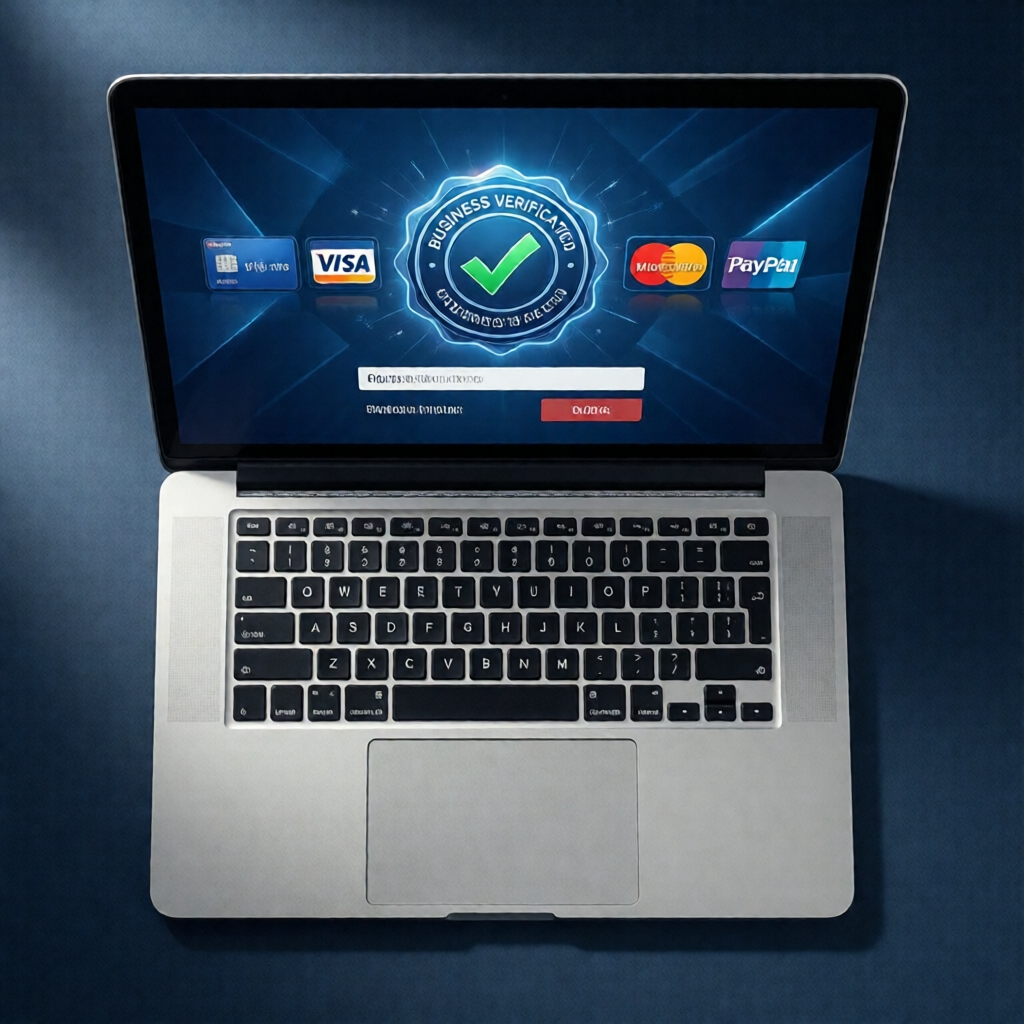
2Get business verification through a credentialing service. A verified seal from CertifyUSA's business verification gives shoppers independently confirmed proof your business is registered and real — not a badge you made yourself.
-
3Add a human content certification badge to product pages. If your descriptions were written by real people, certify it. The AI-free content badge tells shoppers your copy isn't synthetic.
-
4Place badges at the point of friction. Near "Add to Cart," directly above payment fields, in the footer. The trust badges for checkout page guide breaks down optimal placement by page type. Check your trust score to see how your site rates overall.
-
5Test on an actual mobile device before the sale goes live. Badges that look clean on desktop often get buried below the fold on mobile. Most Cyber Monday traffic arrives on phones.
Badge placement matters as much as badge type — shoppers must see verification at the exact moment of hesitation, not buried in a footer they never reach.

Frequently Asked Questions
Do trust badges actually increase Cyber Monday sales?
Yes. Third-party trust badges reduce cart abandonment by signaling legitimacy at the moment shoppers are most cautious about fraud. On Cyber Monday that effect is amplified — purchase intent is high, but so is skepticism, and resolving that doubt is what turns browsers into completed orders.
Which trust badge matters most for Cyber Monday checkout pages?
A verified business seal from a credentialing authority carries the most weight because it confirms the business is real and independently checked. Pair it with an SSL indicator and payment logos placed directly above the buy button — that combination answers every question a hesitant shopper is silently asking.
How early should I add trust badges before Cyber Monday?
Apply for verification at least two to three weeks out. Most credentialing processes take several business days, and you'll need time to test badge placement across mobile and desktop before peak traffic hits.
Can trust badges help if my store is brand new?
Yes — arguably more than for established brands. A verified business seal fills the credibility gap that no reviews or domain history can fill, and it can be the single deciding factor between a bounce and a completed purchase.
Cyber Monday is the single day when trust gaps cost the most. Every hesitant shopper is real revenue handed to a competitor who looked more credible. Businesses displaying verified third-party trust badges — especially business verification and human content seals — convert the buyers everyone else loses. Get verified before the shopping window opens.
Don't lose Cyber Monday sales to a trust gap you could fix today.
Get Your Verification Badge Now →CertifyUSA Team
Our content is reviewed by business certification and compliance professionals. We cover trust badge implementation, content authenticity verification, and business certification best practices to help businesses build credibility online.
Related Articles
Trust Badges for Checkout Page — Black Friday 2026 Guide
Learn which trust badges for your checkout page cut cart abandonment during Black Friday and Cyber Monday 2026. See conversion data and how CertifyUSA badges work.
Credential Verification Checklist 2026 — What Gets Checked & How
A step-by-step credential verification checklist for employers, clients, and platforms. Learn exactly what gets verified and how to pass every check in 2026.
B-Corp Certification Badge for Website: Display Your Verified Status (2026)
Learn exactly how to display your B-Corp certification badge on your website — placement, file formats, usage rules, and what it signals to customers.
Ready to certify your business?
Join thousands of verified businesses on CertifyUSA.